

- Mindora Pulse
Table of Contents
Tooth Decay Treatment: Every Option From Fillings to Root Canals
Tooth decay treatment depends entirely on how far the decay has progressed. Stage 1 decay can be reversed with fluoride – no drilling, no filling, no cost. Stage 3 needs a filling. Stage 4 needs a root canal. Stage 5 is a dental emergency. The earlier you treat it, the simpler and cheaper the solution. This guide covers every treatment option available in 2026, with costs, what to expect, and what actually works – including newer options like silver diamine fluoride that most competitors completely overlook.
How the Stage of Decay Determines Your Treatment
Tooth decay doesn’t have one treatment – it has a progression of treatments that escalate with the severity of the disease. Choosing the right treatment starts with knowing which stage you’re in:
| Stage | What's Happening | Treatment Required | Reversible? |
|---|---|---|---|
| Stage 1 - White Spot | Enamel demineralizing, no hole yet | Fluoride varnish / remineralizing toothpaste | Yes |
| Stage 2 - Enamel Decay | Enamel physically breaking down | Small filling (or fluoride if caught very early) | Unlikely |
| Stage 3 - Dentin Decay | Decay through enamel into dentin | Composite or amalgam filling | No |
| Stage 4 - Pulp Involvement | Bacteria reach nerve and blood supply | Root canal treatment | No |
| Stage 5 - Abscess | Infection spreads beyond root tip | Root canal or extraction + antibiotics | No - emergency |
Fluoride Treatment for Early Tooth Decay
Fluoride is the only non-surgical treatment that can reverse tooth decay – but only at Stage 1, before a physical cavity has formed. It works by accelerating remineralization: fluoride ions incorporate into the enamel crystal structure, creating a more acid-resistant surface called fluorapatite.
Professional Fluoride Varnish
Applied in-office by a dentist or hygienist, fluoride varnish (typically 5% sodium fluoride – 22,600 ppm) is painted onto tooth surfaces, particularly around the gum line and in grooves. It sets quickly, sticks to teeth for several hours while slowly releasing fluoride, and has strong clinical evidence for reducing new cavities. The ADA recommends professional fluoride applications for moderate to high caries risk patients at every 6-month visit.
Prescription Fluoride Toothpaste
Prescription-strength fluoride toothpaste contains 5,000 ppm fluoride – versus the 1,000–1,500 ppm in standard OTC toothpastes. Dentists prescribe these for patients with high cavity rates, dry mouth, or medication-related decay risk. Studies consistently show 30–40% reductions in new caries in high-risk patients using prescription fluoride.
Dental Fillings: The Most Common Tooth Decay Treatment
For Stages 2 and 3 – once enamel has physically broken down – a filling is the standard treatment. The dentist removes the decayed material (usually with a drill, though laser and air abrasion systems exist), cleans the cavity, and fills it with restorative material.
Types of Fillings
- Composite resin (tooth-colored): The most common filling material today. Matches tooth color, bonds directly to tooth structure, requires less removal of healthy tooth. Costs more than amalgam. Lifespan: 7–10 years average.
- Dental amalgam (silver): An alloy of mercury, silver, tin, and copper. Extremely durable, lower cost, and long-proven record. The FDA reviewed amalgam safety in 2020 and confirmed it remains safe for most adults, though it recommends avoiding it in pregnant women, children under 6, and people with certain kidney conditions. Lifespan: 10–15+ years.
- Glass ionomer cement: Releases fluoride, bonds chemically to tooth, doesn’t require as much healthy tooth removal. Used often for baby teeth, cervical (near-gum) cavities, and patients at high caries risk. Less durable than composite on biting surfaces.
- Ceramic (porcelain) inlays/onlays: For larger cavities where a filling isn’t enough but a full crown isn’t yet needed. Highly aesthetic. Made in a lab. Cost: $900–$1,800.
Dental Crowns for Moderate to Severe Decay
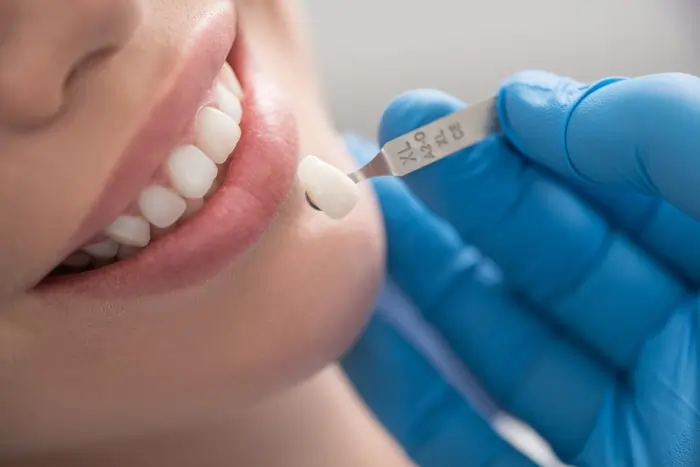
When decay is so extensive that a filling can’t adequately restore the tooth’s structure and function, a dental crown is needed. A crown is a cap that covers the entire visible portion of the tooth above the gum line, restoring shape, strength, and appearance.
Crowns are typically indicated when: more than half the tooth structure is lost to decay; a large existing filling has cracked or failed; a tooth has been weakened by decay and fracture risk is high; or following a root canal (the treated tooth becomes brittle and needs protection).
- Porcelain-fused-to-metal (PFM): Strong and aesthetic. The metal base can show as a gray line at the gum over time.
- All-ceramic / zirconia: The current gold standard for aesthetics and biocompatibility. Extremely durable. No metal.
- Full metal (gold or alloy): Most durable option for back teeth. Less aesthetic. Rarely used today outside specific clinical situations.
Root Canal Treatment: For Deep Tooth Decay
A root canal is required when decay has reached the dental pulp – the innermost layer of the tooth containing nerves and blood vessels (Stage 4). The procedure has a reputation for being painful, but the reality is that a root canal relieves the pain it’s treating, not causes it. Modern root canals are typically no more uncomfortable than getting a filling.
What happens during a root canal:
- Anesthesia: Local anesthetic is administered. The tooth and surrounding area are numbed.
- Access opening: A small opening is made in the top of the tooth to access the pulp chamber.
- Pulp removal: Infected pulp tissue is removed using fine instruments called files.
- Canal shaping and cleaning: The root canals are shaped, cleaned, and disinfected with antimicrobial irrigants.
- Filling: Canals are filled with a rubber-like material called gutta-percha and sealed.
- Restoration: A temporary filling is placed immediately; a permanent crown is typically placed 1–2 weeks later.
According to the American Association of Endodontists, more than 15 million root canals are performed each year in the U.S. The procedure has a success rate exceeding 95% when performed correctly on appropriate teeth.
Tooth Extraction: The Last Resort
When decay has destroyed so much of the tooth that saving it isn’t structurally or financially viable, extraction is the treatment. This is most common at Stage 5 (abscess) or when a tooth is shattered, has a root fracture, or has failed previous treatment.
Extraction is not the end of the story. Missing teeth should be replaced – gaps allow adjacent teeth to shift, can affect bite and jaw function, and accelerate bone loss in the jaw. Replacement options:
- Dental implant: A titanium post fused to the jawbone, topped with a crown. The closest replacement to a natural tooth. Cost: $3,000–$5,500 per tooth.
- Fixed dental bridge: A crown on each side of the gap, with a false tooth suspended between them. Less invasive than an implant. Cost: $2,500–$5,000 for a three-unit bridge.
- Partial denture: A removable appliance replacing one or more missing teeth. Lowest cost. Less comfortable and functional than implant or bridge.
Natural and At-Home Tooth Decay Treatment Options
It’s important to be direct here: no natural remedy can reverse an established cavity. Once a physical hole has formed in enamel (Stage 2 onward), the structural damage cannot self-repair regardless of what you apply to it. However, for Stage 1 (white spot lesion), before a hole forms, evidence-based at-home strategies can support remineralization:
- Fluoride toothpaste (1,350–1,500 ppm): The most well-supported remineralization tool. Use twice daily and don’t rinse the toothpaste off – spit, don’t rinse.
- Nano-hydroxyapatite (nHAP) toothpaste: A newer formulation that delivers synthetic hydroxyapatite – the same mineral that makes up enamel – directly to tooth surfaces. A randomized controlled trial in the Journal of Clinical Dentistry found nHAP non-inferior to 1,450 ppm fluoride for remineralizing early caries.
- Xylitol products (gum, mints): Xylitol is a sugar alcohol that bacteria cannot metabolize into acid. Regular xylitol use reduces S. mutans counts in plaque and has documented cavity-reduction effects. Use after meals.
- Oil pulling: No credible clinical evidence for reversing decay. Not recommended as a replacement for fluoride.
- Activated charcoal toothpaste: No evidence for remineralization. Can be abrasive. Not recommended by the ADA
Newer Treatments: Ozone Therapy and Laser Dentistry
These options represent a content gap in most tooth decay articles – so here’s what the evidence actually says:
Ozone Therapy for Tooth Decay
Ozone gas (O3) is a powerful antimicrobial agent. In dentistry, it’s delivered as a gas or dissolved in water to kill decay-causing bacteria in cavities without drilling. Clinical studies show ozone can arrest early-stage decay, particularly when combined with remineralizing agents. A Cochrane review found limited but promising evidence for ozone in treating early fissure caries. The ADA does not yet endorse ozone as a primary caries treatment, but some practices use it as an adjunct for high-risk patients.
Laser Dentistry
Dental lasers can remove decayed tissue in some cases without a traditional drill – reducing noise, vibration, and for some patients, the need for anesthesia. The FDA has cleared specific laser wavelengths for cavity preparation. Cost is typically higher than conventional drilling, and not all cavity types or locations are suitable for laser treatment. If dental anxiety is driving your avoidance of treatment, ask your dentist whether laser is appropriate for your case.
How Much Does Tooth Decay Treatment Cost in 2026?
| Treatment | Avg Cost (No Insurance) | Avg Cost (With Insurance) | Notes |
|---|---|---|---|
| Fluoride varnish (professional) | $25–$50 | $0–$25 | Typically covered at preventive visits |
| Composite filling (1 surface) | $150–$300 | $50–$150 | Covered 70–80% by most dental plans |
| Amalgam filling (1 surface) | $100–$250 | $30–$120 | Less commonly used today |
| Dental crown (porcelain/ceramic) | $1,200–$2,000 | $500–$1,000 | 50% coverage common; lab fees vary |
| Root canal - front tooth | $700–$1,200 | $350–$750 | 50% coverage; endodontist may cost more |
| Root canal - molar | $1,000–$1,800 | $500–$1,000 | Most complex; endodontist recommended |
| Tooth extraction (simple) | $100–$250 | $50–$150 | Covered at higher rates than surgery |
| Tooth extraction (surgical) | $250–$500 | $100–$300 | Wisdom tooth or complex extractions |
| Dental implant (complete) | $3,000–$5,500 | $1,500–$3,000 | Often not covered; implant-specific plans help |
| Silver diamine fluoride (SDF) | $0–$75 | Often $0 | Growing coverage; highly cost-effective |
Before and After: Real Treatment Scenarios
Example 1 - The Cost of Waiting: Sarah's Story
| When Sarah Acted | Stage | Treatment | Total Cost |
|---|---|---|---|
| 6-month checkup - routine | Stage 1 white spot | Professional fluoride: $40 | $40 |
| Skipped 1 year (ignored spot) | Stage 3 dentin decay | Composite filling: $240 | $240 |
| Skipped 2 more years (ignored sensitivity) | Stage 4 pulp involvement | Root canal: $1,100 + Crown: $1,600 | $2,700 |
| Emergency visit (swelling, fever) | Stage 5 abscess | Extraction: $300 + Implant: $4,200 | $4,500 |
The difference between a $40 fluoride varnish and a $4,500 extraction and implant is time. Both involve the exact same tooth, the same bacteria, the same decay process – just caught at different stages. This is why every 6-month dental visit is an investment, not an expense.
Example 2 - What a Filling Appointment Actually Feels Like
James, 29, has been avoiding the dentist for two years because he’s anxious about fillings. Here’s exactly what his appointment involved: a numbing gel on the gum, a small injection that took about 20 seconds, followed by complete numbness within two minutes. The drilling to remove decay took about six minutes. He felt pressure but no pain. The composite filling took another eight minutes to place and cure. Total time in the chair: under 30 minutes. He described it as ‘completely fine – way less than I’d built it up to be in my head.’
Example 3 - Root Canal or Extraction? A Decision Framework
Not everyone can or should get a root canal. Here’s how dentists typically frame the decision:
| Factor | Root Canal Makes Sense | Extraction Makes More Sense |
|---|---|---|
| Tooth structure remaining | 50%+ of crown intact | Less than 50% or shattered |
| Root condition | Roots intact, no vertical fracture | Vertical root fracture present |
| Patient's restorative plans | Will restore with crown | No intention to restore |
| Financial | Can afford root canal + crown | Limited budget; implant later is fine |
| Tooth position | Front teeth, vital for smile/function | Severely compromised wisdom tooth |
What the ADA and CDC Recommend
- ADA: Recommends treating decay at the earliest detectable stage. Supports fluoride varnish as a preventive intervention at regular dental visits for all caries-risk patients.
- CDC (2023): Community-based fluoride programs remain the most cost-effective public health intervention for decay prevention. The CDC does not endorse specific restorative materials but supports evidence-based care.
- NIDCR / NIH: Ongoing research into SDF, minimally invasive dentistry, and remineralization technology. Minimally invasive approaches – preserving as much healthy tooth structure as possible – represent the current direction of caries research.
Key Takeaways
- The earlier you treat tooth decay, the simpler and cheaper the treatment – Stage 1 needs fluoride (possibly free); Stage 4 needs a root canal ($1,000+).
- Silver diamine fluoride (SDF) is an FDA-cleared option that arrests decay without drilling – ask your dentist if it’s appropriate for you.
- Natural remedies cannot fill a physical cavity. Once a hole forms, you need professional treatment. Use remineralizing toothpaste and fluoride to prevent – not treat – established decay.
MindoraPulse – Your Mental Health Hub
MindoraPulse brings you trusted insights, expert tips, and practical guidance on mental health and wellness. Explore MindoraPulse to stay informed and support your well-being.
Frequently asked questions
What are the treatment options for tooth decay?
Treatment depends on severity. Stage 1 uses fluoride varnish or prescription fluoride toothpaste. Stage 2–3 requires a dental filling (composite, amalgam, or glass ionomer). Stage 4 needs a root canal to remove infected pulp. Stage 5 (abscess) typically requires extraction plus antibiotics. Newer options include silver diamine fluoride (arrests decay without drilling) and ozone therapy. Your dentist will recommend the right option based on a clinical exam and X-rays.
How do you treat tooth decay at home?
At-home options only work for Stage 1 – before a hole has physically formed. Use fluoride toothpaste at least twice daily (1,350–1,500 ppm), spit but don’t rinse to maximize fluoride contact. Nano-hydroxyapatite toothpastes also show evidence for remineralization. Xylitol gum after meals reduces decay-causing bacteria. None of these can repair an existing cavity. For established decay, you need professional treatment – there’s no DIY alternative.
Can tooth decay be reversed without a dentist?
Only Stage 1 (white spot lesion, no physical hole) is reversible – and even then, it requires consistent fluoride application over weeks to months. Once a cavity has physically formed, the structural damage is permanent. No toothpaste, oil, supplement, or home remedy can regenerate enamel that has been lost. If you have a visible spot, sensitivity, or a hole in a tooth, see a dentist. Waiting makes every option more expensive and more invasive.
How much does tooth decay treatment cost?
Costs in 2026 vary widely in the United States: fluoride varnish typically costs $30–$60; a composite filling averages $150–$350 per surface; a dental crown usually costs $900–$2,000 depending on the material; a root canal ranges from $500–$1,500 for front teeth and up to $1,500 for molars; tooth extraction typically costs $75–$550 depending on complexity; and a single dental implant with crown generally costs $3,000–$6,000 per tooth. Most dental insurance plans still cover preventive care at 100%, basic restorative treatments like fillings at about 70–80%, and major procedures such as crowns or root canals at around 50%, while low-cost treatments like silver diamine fluoride are increasingly covered by some plans.
Is a root canal safe?
Yes. Root canals are a standard, well-established dental procedure performed more than 15 million times per year in the U.S. The procedure removes infected tissue from inside the tooth, eliminating the source of pain and infection. The treated tooth can function normally for many years, especially when restored with a crown. The popular belief that root canals cause illness or systemic disease is not supported by any credible scientific evidence – it is based on debunked research from the early 1900s.
Does dental insurance cover tooth decay treatment?
Most dental insurance plans use a tiered coverage model: 100% for preventive care (cleanings, X-rays, fluoride), 70–80% for basic restorative care (fillings), and 50% for major restorative work (crowns, root canals). Extractions are typically covered at basic rates. Dental implants are often excluded from standard plans but may be covered under implant-specific or comprehensive plans. Medicare Part A/B does not cover routine dental. Medicaid covers dental for children in all states; adult coverage varies significantly by state.
What is silver diamine fluoride and is it right for me?
Silver diamine fluoride (SDF) is an FDA-cleared topical liquid that combines silver (antimicrobial) and fluoride (remineralizing) to arrest tooth decay without drilling. It’s applied directly to the cavity surface in about 1–2 minutes. The major trade-off: it permanently stains arrested decay black. It’s particularly well-suited for young children who can’t tolerate drilling, elderly patients, people with dental anxiety, medically complex patients, and community health settings with limited dental resources. Ask your dentist whether your specific cavities are candidates for SDF.
Can tooth decay treatment be done in one visit?
Many treatments can be completed in a single visit. A straightforward filling typically takes 30–60 minutes. A simple extraction can be done in under 30 minutes. Root canals may require one to two appointments depending on complexity and whether a specialist (endodontist) is involved. Crowns traditionally required two visits (one to prepare and take impressions, one to place the permanent crown), but many practices now offer same-day CEREC crowns milled in-office in about 2 hours.
When should I see a dentist for tooth decay treatment?
See a dentist as soon as you notice: visible dark spots or holes in a tooth, sensitivity to hot or cold lasting more than a few days, spontaneous tooth pain, pain when biting, persistent bad breath despite good hygiene, or any swelling near a tooth. If you have swelling of the jaw or face, fever, difficulty swallowing, or feel generally unwell, seek same-day or emergency dental care – these signs suggest an abscess, which can become a serious infection if not treated promptly.