
- Mindora Pulse
Anxiety and physical ailments
Anxiety is a normal emotion like anger, joy, aggression and other emotions. Everyone feels normal anxiety in their daily routine. But at some point anxiety turns into suffering. It is a reaction to something that feels threatening or dangerous. By causing the body’s fight-or-flight response, which produces stress chemicals like cortisol and adrenaline. Anxiety causes physical discomfort. Anxiety involves rapid and automatic thoughts. Which one do you feel and defend yourself in a fearful situation?
Anxiety is not related to specific things and events. But it can occur in everyday situations and routine tasks. Common signs of anxiety are restlessness, nervousness and persistent worry. Physical complaints such as sweating, muscle pain, increased heart rate and stomach problems.
Anxiety can develop when you feel continuous stress . Anxiety is often a physical symptom of mental illness and many physical ailments. If the person experiences anxiety symptoms that last for a long time and interfere with daily activities, they may have anxiety problems. It can affect work and school.
What is anxiety?
There are many levels of anxiety. Mild, moderate, and severe levels. In most cases, anxiety causes persistent physical discomfort as the body is constantly on alert. Anxiety involves persistent worry and extreme stressful situations. It can occur due to fearful panic attacks and the feeling of being scared by certain events or specific objects. If the symptoms of anxiety interfere with your daily activities or you are unable to live a normal life, you have an anxiety disorder.
When you feel persistent worry, stress, and fear, or feel scared in a situation. You can’t control or help, even if you try not to. You feel constant worry about many things. It could be workload related to school or work, financial problems, or health problems in the family.
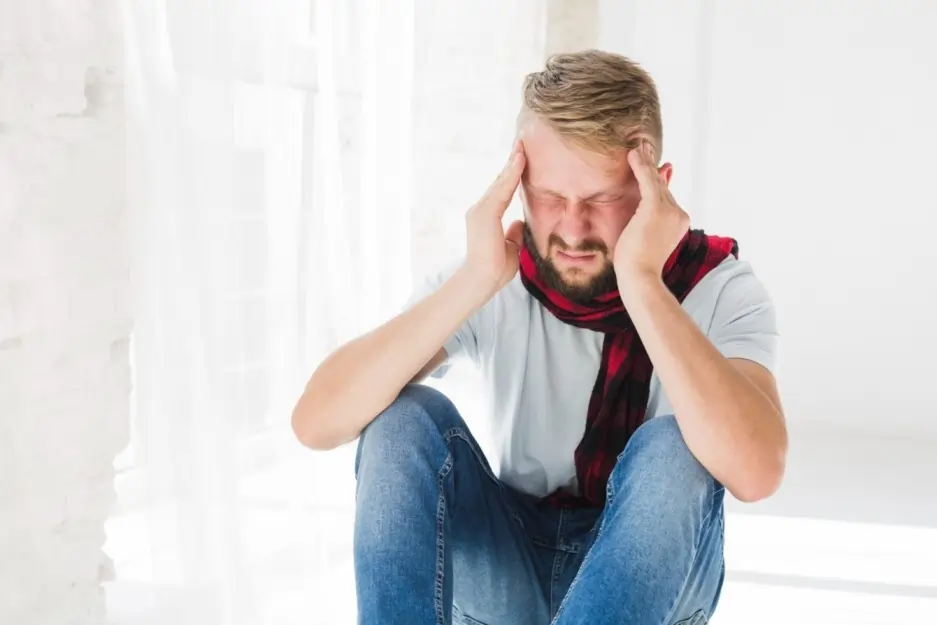
Sufferers may experience constant stress, tension, sleep problems , and fatigue. Headaches, chest pain, muscle aches, dry mouth, and a sudden increase in heart rate are all physical symptoms caused by anxiety.
Symptoms of anxiety
Anxiety symptoms occur in many different ways. Everyone experiences different symptoms. It can depend on the type of anxiety. They can be present at different levels and for different periods of time. They can be present without being linked to any specific events or situations.
Anxiety has both physical and psychological symptoms . It can affect your thoughts and behavior.
Physical symptoms of anxiety
Here are some common physical symptoms of anxiety.
- Chest pain
- Headache and feeling tired
- Having tension and restlessness
- Increase the heat rate
- Nausea and tenderness
- Upset stomach
- Muscle pain
- Dry mouth
- Excessive sweating
- Shortness of breath
- pain in the face, neck, and lower back
Psychological symptoms of anxiety
Some cognitive and psychological symptoms are included.
- Have trouble focusing
- Having a fear of dying
- Feeling a loss of control
- Irritated and feeling frustrated
- Continuous worry and tension
- Avoid certain places and situations
Anxiety and physical ailments
Continuous anxiety causes the body to be on alert all the time and not feel relaxed. A person feels stressed and anxious . This causes restlessness, muscle pain, fatigue and tremors. It also often leads to physical symptoms. Such as dry mouth, sweating, heart problems, headaches, stomach problems and cold hands. A person feels like they have to be extra vigilant all the time.
How can anxiety lead to physical ailments?
These conditions affect biological processes or behavioral patterns, which in turn increase the risk of disease. By triggering the body’s fight-or-flight response, which produces stress chemicals like cortisol and adrenaline, anxiety causes distress.
Anxiety and stress. Events can influence the occurrence of physical illness. This led to negative emotions. Anxiety symptoms affect our biological processes or behavioral habits. This can increase the risk of physical illness.
Chronic experience of stress is believed to be the most powerful cause of anxiety. This is because it results in biological, emotional, psychological and behavioral effects. These are persistent or long-lasting. These reactions influence both exposure to disease and its further progression.
Common physical ailments associated with anxiety
Heart and lung problems
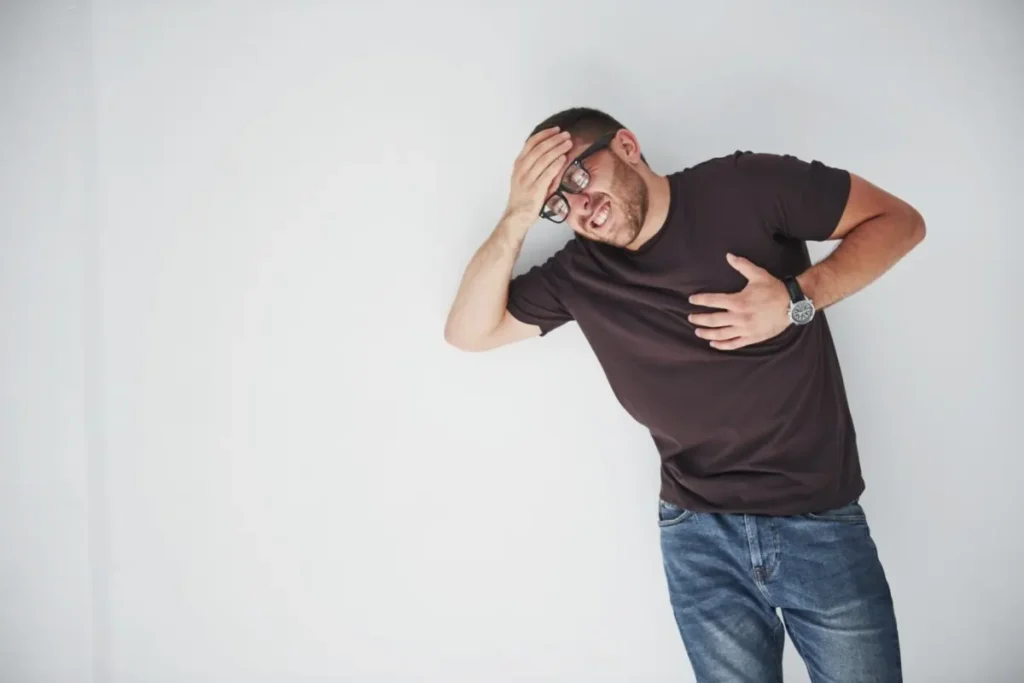
They include increased blood pressure, chest tightness or discomfort, and rapid heartbeat.
Skeletal system
It includes trembling or shaking, pain in the neck, shoulder, and jaw, persistent muscle pain, and extreme muscle tension.
Digestive system
They include stomach ulcers and irritable bowel disease, nausea, vomiting, diarrhea, and stomach pain.
Respiratory system
Respiratory symptoms include choking, rapid breathing, and shortness of breath.
Neurological/other systems
It includes migraines, tension headaches, lightheadedness, dizziness, and numbness or tingling in the hands or feet. It also involves dry mouth, excessive sweating, insomnia, or fatigue.
Read More About Anxiety-Related Topics
Treatment of anxiety
Treatment for anxiety often involves two main approaches. Such as psychotherapy and medication. There are many evidence-based methods and therapies. That can help people overcome and treat mental disorders. The most effective treatments are exposure therapy, cognitive behavioral therapy, and metacognitive therapy.
Exposure therapy
Exposure therapy is an effective type of therapy that helps you expose yourself to what you fear. This involves avoiding the situation or reducing the anxiety. This is most effective for phobias, obsessive-compulsive disorder, and panic disorder.
Cognitive behavioral therapy
Cognitive behavioral therapy (CBT) helps the person identify and change irrational thought patterns. Your therapist will select your negative thought patterns. Through the conversation, you will gain good insight into your thought processes.
Metacognitive therapy
Metacognitive therapy is a highly effective treatment for anxiety. It can help with negative thinking and constant worrying by changing thought patterns. This treatment is modified to meet the specific needs of the person.
Self-help techniques
If you are experiencing anxiety and physical discomfort. Stress management and breathing exercises can help some people reduce mild levels of anxiety. An effective way to deal with anxiety is to face your fears without using safety protocols. This helps to deal with the feelings and thoughts that are causing your anxiety.
In some cases, anxiety can be a sign that something in your life needs to change. Improving your lifestyle with good sleep, a healthy diet, and regular exercise. Stress management are also all activities that can help reduce anxiety symptoms.
Important points
- Everyone feels normal anxiety in their daily routine. But at some point the anxiety turns into a disorder.
- Anxiety can cause the release of stress chemicals, such as adrenaline and cortisol, which can have a long-term impact on physical health and lead to weight gain.
- Persistent anxiety can also weaken the immune system and put you at high risk of developing physical ailments.
- Headaches, chest pain, muscle pain, dry mouth, and sudden increased heart rate are all physical symptoms caused by anxiety.
- Symptoms of anxiety manifest in many different ways. Everyone experiences different symptoms. It can depend on the type of anxiety.
- It also increases the risk of high blood pressure and heart disease. Anxiety disorders can manifest as digestive problems, chest pain, and rapid heartbeat.
- Anxiety and stressful events can influence the occurrence of physical illness. This can lead to negative emotions.
- Treatment for anxiety often involves two main methods, such as psychotherapy and medication.
Case Study :
The disorder that affects nearly 15% of a specific segment of the US population (specifically adolescents aged 12–17) in a given year is a major depressive episode.
Key details regarding this statistic include:
Adolescent Depression: In 2021, an estimated 14.7% of U.S. adolescents aged 12 to 17 experienced at least one major depressive episode with severe impairment in the past year.
Rising Trends: Depression prevalence among adolescents has been rising, with some reports showing that 15.1% to over 15.8% of adolescents experienced a major depressive episode in 2018-2019.
Overall Population: While the 15% figure is specific to adolescents in recent reports, major depressive disorder affects roughly 8.3% of the total U.S. adult population annually.
Other High-Prevalence Disorders: Anxiety disorders are even more common, affecting approximately 18-19% of adults in a given year.
Furthermore, in 2021, 14.7% of adolescents (ages 12-17) had a major depressive episode with severe impairment, according to the National Institute of Mental Health (NIMH).
MindoraPulse – Your Mental Health Hub
MindorePulse brings you trusted insights, expert tips, and practical guidance on mental health and wellness. Explore MindoraPulse to stay informed and support your well-being.
Frequently asked questions
Can anxiety really cause physical pain, or is it just in your head?
- Anxiety triggers the body’s fight-or-flight response, releasing stress chemicals like cortisol and adrenaline.
- These chemicals cause very real physical symptoms including muscle pain, chest tightness, headaches, and stomach problems.
- So while anxiety starts in the mind, its physical effects on the body are completely real and measurable.
How do I know if my physical symptoms are caused by anxiety or a serious illness?
- If your symptoms like rapid heartbeat, chest pain, or stomach issues appear during stressful situations and improve when you relax, anxiety may be the cause.
- However, it’s always important to consult a doctor first to rule out any underlying medical conditions.
- A healthcare professional can properly diagnose whether your physical complaints are anxiety-related or require separate treatment.
Can long-term anxiety permanently damage my health?
- Chronic anxiety can weaken the immune system, raise blood pressure, and increase the risk of heart disease over time.
- Persistent stress hormones in the body can also contribute to weight gain and digestive disorders like irritable bowel syndrome.
- Early treatment and lifestyle changes can significantly reduce these long-term health risks.
What is the most effective treatment available for anxiety disorders?
- The most proven treatments include Cognitive Behavioral Therapy (CBT), Exposure Therapy, and Metacognitive Therapy.
- These therapies help patients identify negative thought patterns and gradually face their fears in a controlled way.
- In some cases, medication combined with therapy provides the most effective and long-lasting results.
Can lifestyle changes alone help manage anxiety without medication?
- Yes, for mild to moderate anxiety, improvements like regular exercise, healthy diet, and quality sleep can significantly reduce symptoms.
- Breathing exercises and stress management techniques also help calm the body’s fight-or-flight response naturally.
- However, severe anxiety disorders typically require professional therapy or medication alongside these lifestyle adjustments.