
- Mindora Pulse
Isolation Depression
Key Takeaways
- Isolation is when you feel alone and cut off from others for a long time. It leads to emotional and social withdrawal.
- Signs of isolation depression include feeling sad, avoiding people, losing interest and feeling hopeless.
- Isolation depression can happen due to significant life changes, mental health issues, physical health problems and excessive usage of social media.
- Isolation depression can make relationships harder, affect work or studies and worsen mental and physical health.
- To overcome isolation and depression, reach out to friends or family, join a fitness club or exercise and take care of yourself.
- Get professional help from a psychiatrist when feelings of sadness or loneliness won’t go away or are affecting daily life.
Introduction
Have you ever felt completely alone, even when surrounded by people? Perhaps it’s a sign of isolation depression. This silent struggle can make people feel disconnected from the world, creating a painful experience of loneliness that feels impossible to escape.
Isolation or depression doesn’t just keep you physically apart from others—it builds an emotional barrier, leaving you uncertain about the future. In this article, we’ll understand what happens when the outside world feels overwhelmed, explore the roots of isolation depression, and learn ways to overcome isolation depression and live a healthier life.
What is Isolation?
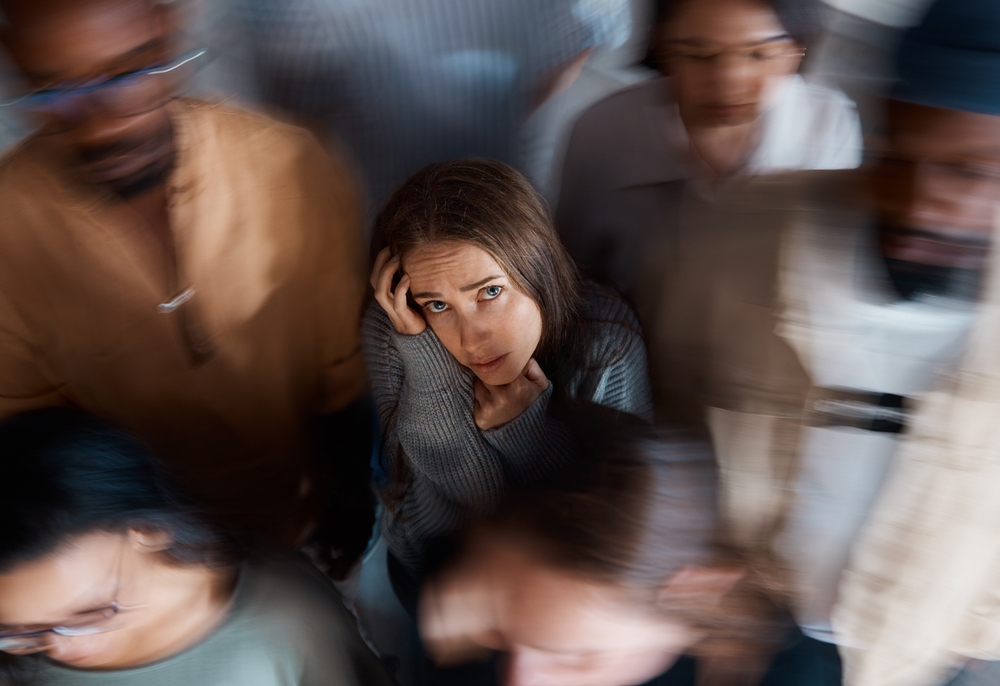
Isolation is a painful and lonely experience that can make you feel disconnected. Imagine being in a crowded room yet feeling like you are the only one there. Or imagine yourself stuck at home with no one to talk to and nothing to do. That’s what isolation feels like.
Isolation is a state of being physically or emotionally alone. It can be separated from others by circumstances, emotions or choices. When you are isolated, everyday tasks can feel overwhelming, and silence can be deafening. Isolation might feel like you are losing touch with reality, and nobody understands what you are going through.
How Does Isolation Lead to Depression?
Isolation can lead to depression by taking away the social you need from friends and family. When you are isolated, you lack the connection and love from being around others. It can make you feel alone, unheard of and unimportant.
Isolation can also disrupt your daily routines, leading to physical and mental exhaustion. You might struggle to sleep, eat or exercise, which can worsen feelings of sadness and hopelessness. As the days turn into weeks and the weeks turn into months, you can feel like you are losing yourself.
Prolonged isolation can lead to increased anxiety and stress, which leads to depression. A recent study found that men feel more isolated than women, while women experience more depression.
Signs and Symptoms of Isolation and Depression
Want to know the signs of isolation depression? It’s good to be aware of them to help yourself or someone you care about. Here are some signs of isolation depression:
- Loss of interest in activities or hobbies.
- Changes in appetite and sleep patterns.
- Fatigue and low energy.
- Difficulty concentrating or making decisions.
- Feelings of worthless or guilt.
- Irritability or restlessness.
- Social withdrawal and avoidance.
- Loss of motivation or purpose.
- Increased anxiety or stress.
If you or someone you know is experiencing these symptoms. It’s essential to seek help from a psychiatrist or psychologist.
Why Does Isolation Hurt? Understanding the Root Causes of Depression
Isolation can profoundly affect your mental health. But why does this happen? To understand, let’s look at the root causes of depression:
Social Disconnection:
Feeling disconnected from others can lead to isolation and depression. It happens when you don’t have meaningful relationships and social interactions.
Loneliness:
Feeling lonely and isolated can cause depression. You might struggle to form and keep meaningful relationships when you’re lonely.
Lack of Support:
Not having a support system can make you feel isolated and vulnerable. It can lead to depression.
Traumatic Events:
Going through a traumatic event can cause isolation and depression. Trauma can make you feel ashamed, guilty, or anxious, leading you to withdraw from others.
Chronic Illness:
Living with a chronic illness can lead to isolation and depression. Your physical limitations and pain can make it hard to socialize.
Mobility Issues:
Having mobility issues can make you feel isolated. You might feel frustrated, angry, or hopeless when you can’t participate in social activities.
Remote Work or Studies:
Working or studying remotely can lead to isolation and depression. You might miss out on social interaction and connections with colleagues or peers.
Moving To a New Place:
Moving to a new place can be stressful and isolating. You might leave behind friends, family, and familiar surroundings.
Loss of a Loved One:
Losing someone you love can cause intense grief, loneliness, and isolation. The pain of loss can be overwhelming.
How does Isolation Depression impact your Life?
Do you know how isolation and depression can affect your life? Maybe you’ve felt stressed, anxious or just off without knowing why. The reality is isolation and depression can change everything from how you relate to others to how you go about your daily routine. Let’s talk about what happens when isolation depression starts to affect your life.
Isolation and depression can take a toll on your emotions. You might lose interest in things you used to enjoy and feel empty and hopeless. Your mood can change quickly, and you might feel anxious and irritable. Isolation and depression also affect your relationships. You might withdraw from social interactions and feel lonely.
Isolation and depression can make daily life challenging. You might struggle to get out of bed, clean your home or cook meals. It can also affect your work and school performance. Your physical health can also suffer. You might have:
- trouble sleeping
- lose your appetite
- feel tired all the time
Note that if isolation depression is not treated, it can have serious long-term effects. Your mental health can worsen, and you might be at risk of physical health problems.
7 Ways to Overcome Isolation Depression
Are you looking for strategies to improve isolation and depression by yourself? Okay, wait! Here are seven ways that will help you to overcome isolation: depression:
- Share your feelings with someone you trust. Talking about your emotions can help you process and heal.
- Engage in activities that bring you joy and make you feel alive. Whether painting, playing music, or hiking, make time for things that spark your passion.
- Regular exercise releases endorphins, which help to reduce depression. Find a physical activity you enjoy and make it part of your daily routine.
- Practice meditation or deep breathing to calm your mind and reduce stress.
- Notice when negative self-talk is present, and challenge them with more balanced and realistic ones.
- Spend time outdoors to calm your mind. Take walks in parks, go hiking, or sit in a garden or balcony with plants.
- Consider seeking help from a psychiatrist or psychologist if feelings of isolation and depression persist or worsen.
Keep in mind that these strategies are not a replacement for professional help but rather a complement to your mental health journey. Everyone’s journey is unique, and what works for one person may not work for another.
Common questions
Can loneliness lead to depression?
Yes, loneliness can lead to depression by making you feel disconnected, sad, and hopeless over time.
What can isolation do to a person?
Isolation can harm mental and physical health, causing anxiety, depression, and even weakening the immune system.
Is isolation a trauma response?
Yes, some people isolate themselves to feel safe after experiencing trauma or overwhelming events.
Is isolation a coping mechanism?
For some, isolation is a way to avoid stress or emotional pain, but it can worsen feelings of loneliness in the long run.